HOW IT WORKS
Overlapping photographs
Photogrammetry uses hundreds of overlapping photographs taken from many angles. Software spots common features across images, plots them as a point cloud and joins them into a mesh.
The four stepsHOW HERITAGE GOES 3D
A carved stone can now be recorded down to its finest grooves without anyone touching it.
Museums and archaeologists use photogrammetry to turn ordinary overlapping photographs into accurate 3D models of sculpture, rock art and objects. This independent guide explains, from museum and university sources, how it works, where it struggles, and how it helped record a buried Neolithic carving near Glasgow.
CAPTURE every angle
THE SHORT ANSWER
Software finds the same points in different photographs.
From those, it builds a cloud of points, then a surface.
HOW IT WORKS
Photogrammetry uses hundreds of overlapping photographs taken from many angles. Software spots common features across images, plots them as a point cloud and joins them into a mesh.
The four stepsIN THE STUDIO
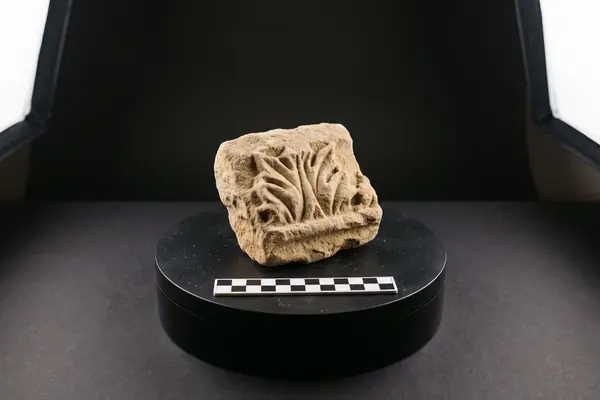
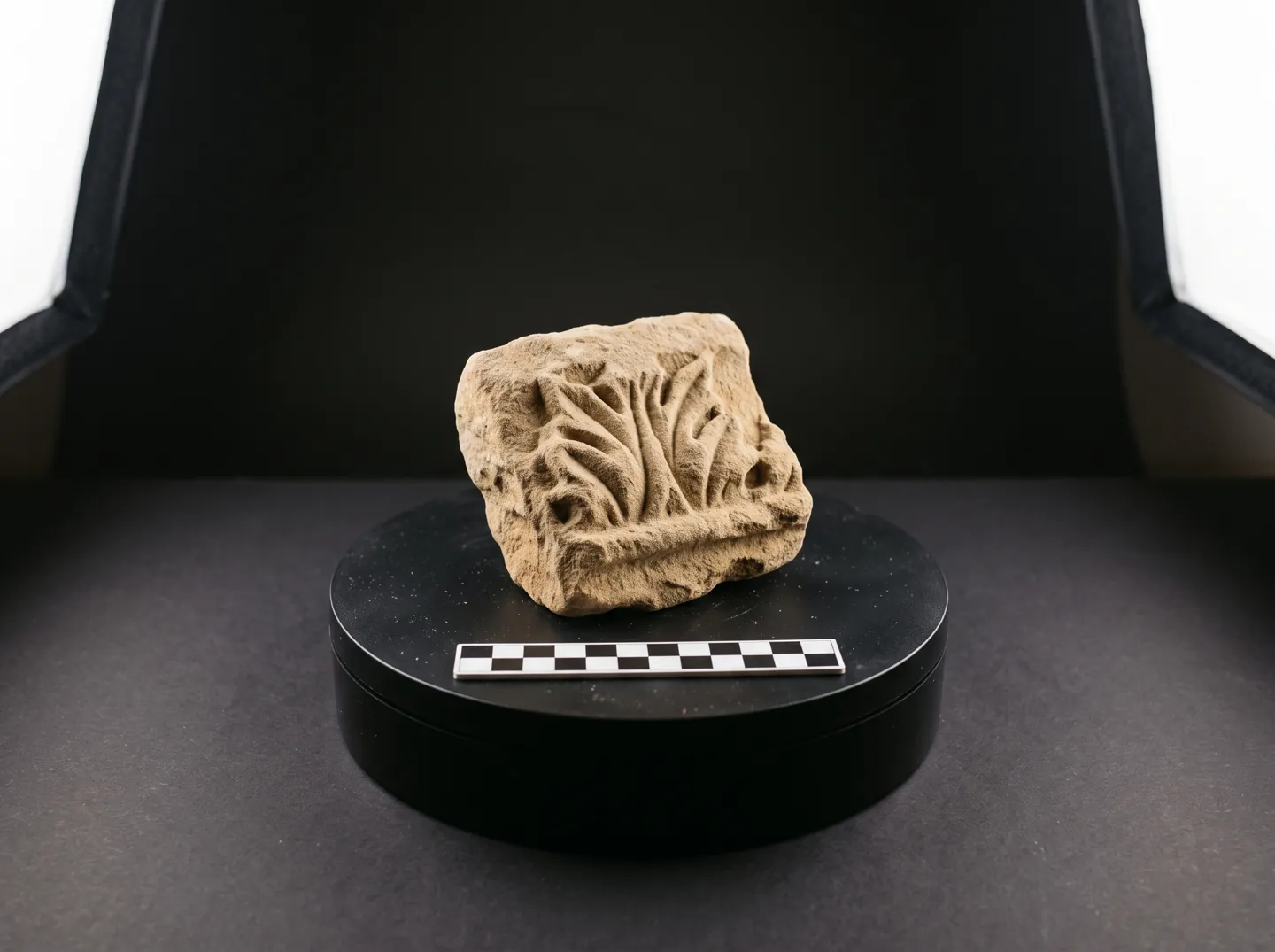
The Cleveland Museum of Art photographs objects on turntables, using calibrated scale bars accurate to a tenth of a millimetre or better, and polarised light to stop reflections confusing the software.
Check an objectIN THE FIELD
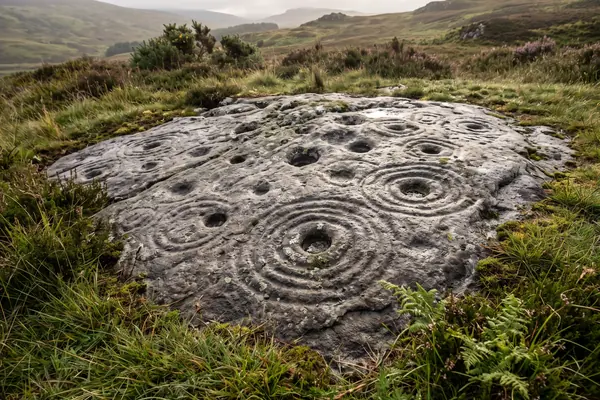
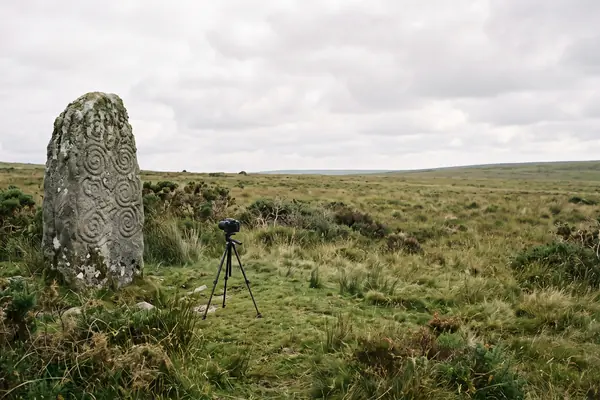
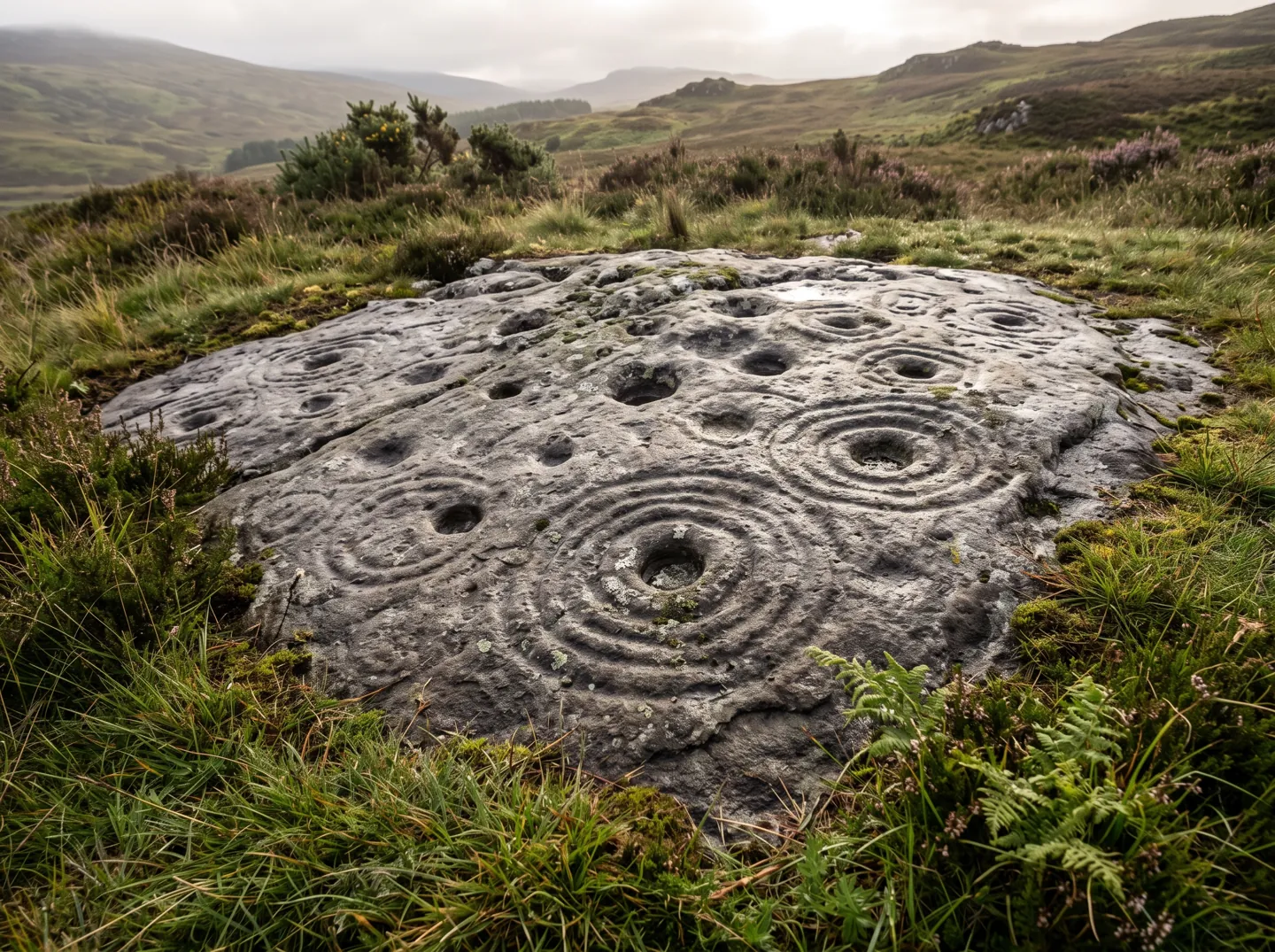
In 2016 the Cochno Stone near Glasgow, a Neolithic cup-and-ring panel buried since 1965, was uncovered for two weeks, recorded in 3D and reburied to protect it.
See the numbersA QUICK OBJECT CHECK
Pick a kind of object to see what museum specialists say about recording it with photogrammetry. The bar shows how difficult it tends to be.
Based on comments from the Museums Association, the Cleveland Museum of Art and Factum Foundation. Results depend on skill, equipment and conditions.
TWO NUMBERS WORTH KNOWING
One measurement from a Scottish hillside,
one from a museum photo studio.
8 × 13 m
Size of the carved rock panel
Dating to about 3000 BC and called the most important Neolithic cup-and-ring marked panel in Europe, it was recorded by the University of Glasgow and Factum Foundation in 2016, then reburied.
THE COCHNO STONE · UNIVERSITY OF GLASGOW
0.1 mm
Scale-bar accuracy in its method
Individually calibrated scale bars accurate to a tenth of a millimetre or better mean the finished models are accurate to that level and look like the real objects.
ACCURACY · CLEVELAND MUSEUM OF ART
For a sense of scale on the data side: a 3D model of the picture room at Sir John Soane's Museum in London used about 5,000 photographs, according to the Museums Association.
FOUR STEPS TO A MODEL
This is the general workflow described by Factum Foundation and the Cleveland Museum of Art.
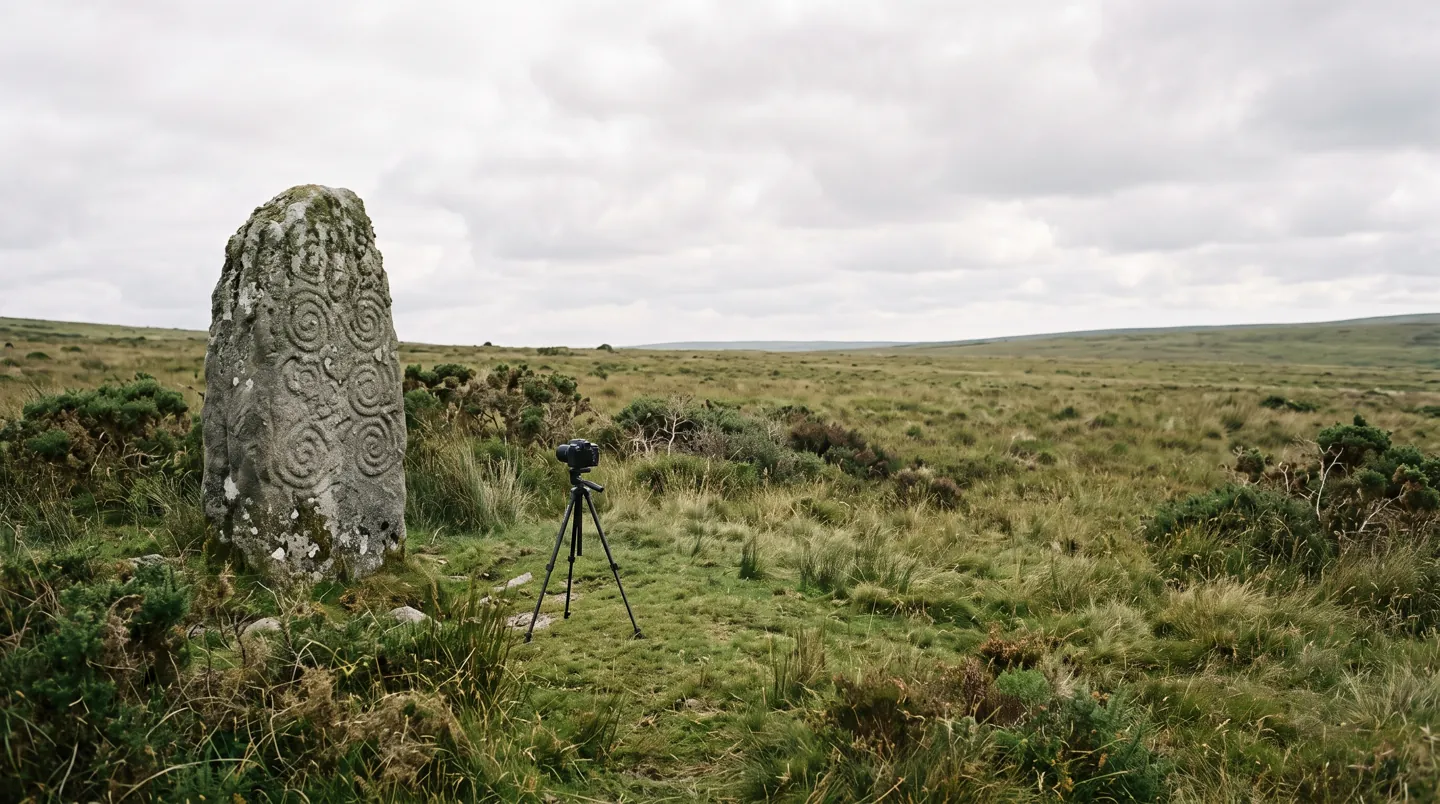
Take a series of overlapping photographs so every part of the object appears in several images, from many angles.
The software identifies the same surface features across images and works out where each camera was.
Each matched feature becomes a point with x, y and z coordinates. Together they form a point cloud.
Points are triangulated into a mesh of vertices, edges and flat planes, coloured from the photos, then cleaned up by a specialist.
PHOTOGRAMMETRY OR LASER SCANNING?
Laser scanning can produce accurate 3D models, but the Cleveland Museum of Art notes they come out with a blank surface appearance. Photogrammetry captures shape and photographic texture together, and Factum Foundation sometimes combines it with white-light or LiDAR data.
It is also, in Factum's words, a fundamentally democratic technology: anyone with a phone camera and free software can try it. High-resolution results still take skill in both photography and processing, and storing the large amount of data is a real cost for museums.
Questions
A 3D recording technique that uses many overlapping 2D photographs of an object, taken from different angles, and software that matches common points to build a 3D model.
Each has strengths. The Cleveland Museum of Art says laser scanning can be accurate but gives a blank surface appearance, while photogrammetry records shape and photographic texture together.
Museum specialists say shiny surfaces such as glass or varnished wood and very thin objects are difficult. Polarised light and dark backgrounds can help with reflections.
In 2016 the University of Glasgow and Factum Foundation uncovered the Cochno Stone, an 8 m by 13 m Neolithic rock art panel near Clydebank buried since 1965, recorded it in 3D during a two-week excavation and reburied it.
Factum Foundation says it can be done by anyone with a phone camera and free software, though high-resolution, accurate models need skill, good equipment and many well-overlapped images.
Sources
ABOUT THIS NAME
calvary3d.com is part of the DoodleSale portfolio. It isn't in an auction right now, but you can ask about leasing it.